
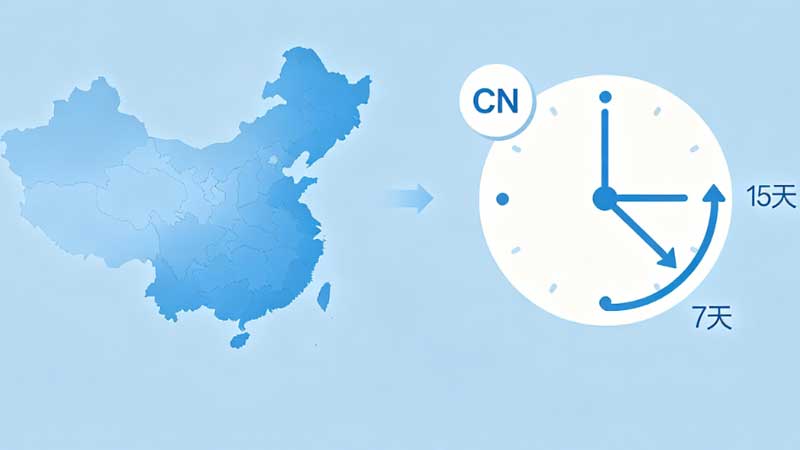
For brand owners, a squatted domain name is more than an irritation. It is a persistent threat vector—enabling phishing attacks against customers, diverting legitimate web traffic, selling counterfeit products under the brand's name, and blocking the brand from establishing its rightful online presence in a critical market. The China Internet Network Information Center administers the CNDRP, the mandatory dispute resolution procedure for .cn domain recovery and other country-code domains under CNNIC's management. For years, the procedure's 60-day decision timeline created a frustrating gap between filing a complaint and obtaining relief—a gap during which squatted domains continued to inflict damage. CNNIC has now updated the CNDRP rules, reducing the decision timeline from 60 to 45 days and introducing procedural efficiencies that accelerate the entire dispute resolution process. For brand owners combating domain squatting in China, this 25% reduction in decision time translates directly into faster domain recovery, reduced damage from ongoing infringing use, and a more efficient enforcement process overall. This guide explains the key changes in the updated CNDRP rules, walks through the accelerated procedure, and provides practical strategies for brand owners to leverage the new faster domain dispute resolution timeline for maximum enforcement effectiveness.
📑 What You'll Learn
- Key changes in the 2026 CNDRP procedural rules update
- How the timeline reduction from 60 to 45 days is achieved
- The accelerated CNDRP process from complaint filing to decision
- Strategic considerations for brand owners under the new rules
- Integration of domain recovery with broader brand protection strategy
1. The CNDRP Framework and Why Timeline Matters
The CNDRP is a mandatory administrative dispute resolution procedure modeled on ICANN's Uniform Domain-Name Dispute-Resolution Policy but tailored to China's domain name regulatory framework. It applies to .cn domains and other country-code domains administered by CNNIC. Like the UDRP, the CNDRP requires a complainant to establish three elements: the disputed domain name is identical or confusingly similar to a trademark in which the complainant has rights, the domain registrant has no legitimate rights or interests in the domain name, and the domain name was registered and is being used in bad faith. Successful complaints result in either cancellation of the domain registration or transfer to the complainant.
The 60-day decision timeline under the previous CNDRP rules created several problems for brand owners. First, the ongoing damage window was substantial. A squatted domain used for phishing, counterfeit sales, or traffic diversion continued operating for two months after the complaint was filed, inflicting brand damage and consumer harm that no post-decision remedy could fully undo. Second, the extended timeline gave respondents opportunities for procedural delay—challenging panel appointments, requesting extensions, and filing supplemental submissions—that could push resolution beyond the already-lengthy 60-day target. Third, the timeline uncertainty made it difficult for brand owners to plan domain recovery campaigns, allocate enforcement resources, and coordinate domain recovery with related enforcement actions on e-commerce platforms or in administrative proceedings.
The domain dispute resolution timeline also affects settlement dynamics. A respondent who knows that a decision is months away has less incentive to settle early; the respondent can continue exploiting the domain during the pendency of the proceeding and may only face consequences when the decision issues. A shorter timeline increases pressure on respondents to evaluate settlement earlier, as the window for extracting value from the squatted domain shrinks. The 2026 timeline reduction is thus significant not only for the 15 days it saves in absolute terms but for the strategic pressure it applies throughout the proceeding.
2. Key Changes in the 2026 CNDRP Procedural Rules
CNNIC's 2026 update to the CNDRP rules introduces several procedural changes beyond the headline timeline reduction. Understanding these changes enables brand owners to optimize their complaint preparation and procedural strategy under the new framework.
The most operationally significant change is the compressed respondent response period. Under the previous rules, respondents had 20 days from notification to file a response. The 2026 rules reduce this to 15 days. This compression serves multiple purposes: it reduces overall proceeding duration, it limits the time respondents have to manufacture evidence of legitimate rights or interests, and it rewards complainants who file well-prepared complaints that respondents struggle to answer within the compressed window. Brand owners should ensure their complaints are comprehensive and well-documented, as the shortened response period makes it more difficult for respondents to develop responsive arguments and evidence from scratch.
The second significant change is the introduction of mandatory electronic filing and service. The previous rules permitted paper-based filings and service, which added days or weeks to each procedural step depending on postal delivery times. The 2026 rules mandate electronic filing through CNNIC's designated dispute resolution platform and electronic service on all parties. Service is deemed effective upon electronic transmission, eliminating the postal delivery delays that previously extended proceeding timelines. The electronic filing system also enables real-time status tracking, allowing complainants to monitor proceeding progress and respond promptly to procedural developments.
The third change addresses panel appointment efficiency. Under the previous rules, panel appointment from CNNIC's approved provider list could consume a week or more, particularly when parties exercised rights to nominate panelists or challenge appointments. The 2026 rules establish default timelines for panel appointment—three business days for single-panelist cases, five business days for three-panelist cases—and limit the grounds for challenging appointments. The provider maintains a roster of pre-qualified panelists with domain name dispute expertise, and the appointment process has been streamlined to minimize administrative delay.
A fourth change introduces an optional expedited procedure for cases meeting specific criteria. Where the complainant can demonstrate that the disputed domain is being used for phishing, malware distribution, or counterfeit sales that pose ongoing consumer harm, the complainant may request expedited processing. Expedited cases receive priority in panel appointment and are decided within 30 days rather than 45. The expedited procedure requires a higher initial evidentiary showing—the complainant must present prima facie evidence of the qualifying harmful use—but provides correspondingly faster relief for the most damaging cases.
3. The Accelerated CNDRP Process: Step by Step
Understanding the CNDRP timeline 2026 process step by step enables brand owners to plan their domain recovery campaigns with clear timeline expectations and to identify opportunities for strategic action at each procedural stage.
The process begins with complaint filing through CNNIC's designated dispute resolution platform. The complaint must establish the complainant's trademark rights, the domain name's confusing similarity to the mark, the respondent's lack of legitimate rights or interests, and bad faith registration and use. The complaint should be accompanied by supporting evidence—trademark registration certificates, evidence of the respondent's bad faith use of the domain, evidence of the complainant's prior rights and reputation, and any relevant prior CNDRP or UDRP decisions involving the same parties or similar domain names. The filing fee is paid upon submission.
Upon acceptance of the complaint, the dispute resolution provider serves the complaint on the respondent electronically. The 15-day response period begins upon electronic service. During this period, the respondent may file a response addressing the complaint's allegations, asserting legitimate rights or interests, and providing evidence. The respondent may also request a three-panelist panel rather than the default single panelist, though the respondent must bear the additional cost for a three-panelist panel if the complainant elected a single panelist.
Following the response period or the respondent's default, the provider appoints the panel within the streamlined timelines—three business days for a single panelist, five business days for three panelists. The panel reviews the complaint, any response, and all submitted evidence. The panel may request additional information or clarification from either party, though such requests are discouraged if they would materially extend the proceeding timeline. The panel's decision must be issued within 14 days of panel appointment, reduced from 20 days under the previous rules.
The panel's decision is transmitted to the parties electronically and to CNNIC for implementation. If the complaint is upheld, CNNIC implements the remedy—domain cancellation or transfer—within 10 business days of receiving the decision. The losing party may challenge the decision through court proceedings in China, but such challenges are rare and must be initiated within 10 business days to stay implementation of the transfer or cancellation. The total timeline from complaint filing to decision, assuming no procedural delays, is approximately 45 days—comprising service and response period, panel appointment, and panel decision.
4. Strategic Considerations for Brand Owners Under the New Rules
The updated CNDRP rules create strategic opportunities for brand owners that extend beyond the simple benefit of faster decisions. Brand owners should adjust their domain enforcement strategies to capture these advantages.
Complaint preparation quality is now even more important. Under the previous 60-day timeline, a complainant who filed a marginally adequate complaint had time to supplement or strengthen their case during the proceeding if the respondent raised unexpected arguments. The compressed 15-day response period and 14-day decision period reduce opportunities for mid-proceeding supplementation. The complaint must be comprehensive from the outset, anticipating likely respondent arguments and addressing them preemptively. Brand owners should invest in thorough complaint preparation, including comprehensive evidence gathering and legal argument development, before filing.
The compressed timeline creates strategic advantages for well-prepared complainants against typical cybersquatters. Many domain squatters are not sophisticated litigants; they register domains opportunistically and count on the delay and cost of proceedings to discourage complaints or extract settlements. The shortened response period gives squatters less time to fabricate evidence of legitimate use, develop legal arguments, or engage counsel. A well-prepared complaint filed against an unprepared squatter is more likely to result in default or a weakly contested response under the compressed timeline. Brand owners should file complaints as soon as they are ready, maximizing the time pressure on respondents.
The new electronic filing and service system enables more efficient multi-domain recovery campaigns. Brand owners who have identified multiple squatted domains—a common scenario for well-known brands—can file multiple complaints in close succession, monitor all proceedings through the unified electronic platform, and achieve recovery across their domain portfolio within a compressed overall timeframe. The efficiency gains from electronic filing and standardized timelines make comprehensive domain recovery campaigns more operationally feasible than under the previous paper-based, variable-timeline system.
The expedited procedure for domains used in phishing, malware, or counterfeit sales should be utilized strategically. Brand owners who can establish the qualifying harmful use should request expedited processing. The 30-day expedited timeline provides faster relief precisely in the cases where ongoing damage is most severe. Brand owners should develop internal protocols for rapid evidence gathering when harmful domain use is detected, enabling prompt expedited complaint filing before the damage window extends.
5. Integrating Domain Recovery with Broader Brand Protection
.cn domain recovery through the CNDRP should be integrated into the brand owner's broader China IP enforcement strategy rather than pursued in isolation. Domain disputes often intersect with trademark enforcement, e-commerce platform actions, and administrative or judicial proceedings.
- Coordinate domain complaints with trademark enforcement. A squatted domain often accompanies counterfeit sales on e-commerce platforms, unauthorized use of brand imagery, or trademark infringement. Filing a CNDRP complaint while simultaneously pursuing platform takedowns and administrative enforcement creates multi-front pressure on the infringer and ensures comprehensive relief. A successful CNDRP decision can also provide evidence useful in related trademark proceedings.
- Use CNDRP outcomes to strengthen trademark portfolio management. A CNDRP decision recognizing the complainant's trademark rights and the respondent's bad faith creates a favorable administrative record that can be cited in subsequent trademark oppositions, cancellations, or enforcement actions. Brand owners should preserve and catalog CNDRP decisions as part of their trademark enforcement documentation.
- Monitor domain registrations proactively. The faster CNDRP timeline makes proactive domain monitoring more valuable. Brand owners should implement watching services that alert them to new .cn domain registrations incorporating their trademarks. Early detection enables early complaint filing under the accelerated timeline, reducing the period during which squatted domains can operate.
- Consider defensive registrations strategically. While the CNDRP provides an effective remedy for domain squatting, defensive registration of key domains in the .cn space remains a cost-effective preventive measure. The improved dispute resolution timeline does not eliminate the value of preventing squatting through defensive registrations of the brand's primary domains and obvious variations.
CNNIC's update to the CNDRP rules, reducing the domain dispute resolution timeline from 60 to 45 days and introducing procedural efficiencies including mandatory electronic filing and an optional expedited procedure, represents meaningful progress for brand owners combating domain squatting in China. The faster timeline reduces the damage window, increases pressure on respondents, and enables more efficient multi-domain recovery campaigns. Brand owners who prepare comprehensive complaints, leverage the compressed timeline strategically, and integrate domain recovery with broader enforcement efforts will recover squatted .cn domains faster and more effectively under the new rules.
Summary: CNNIC's 2026 update to the CNDRP rules reduces the domain dispute resolution decision timeline from 60 to 45 days, a 25% reduction achieved through multiple procedural efficiencies. The respondent response period is compressed from 20 to 15 days, limiting time for respondents to manufacture evidence or develop responsive arguments. Mandatory electronic filing and service eliminates postal delivery delays that previously extended proceeding timelines. Panel appointment is streamlined to 3 business days for single-panelist cases and 5 business days for three-panelist cases. The panel decision period is reduced from 20 to 14 days. An optional expedited procedure resolves cases involving phishing, malware, or counterfeit sales within 30 days. The accelerated CNDRP timeline 2026 process proceeds through electronic complaint filing, 15-day response period, streamlined panel appointment, 14-day decision period, and 10-day implementation, totaling approximately 45 days. Strategic implications for brand owners include the increased importance of comprehensive initial complaint preparation since mid-proceeding supplementation opportunities are reduced, the tactical advantage of the compressed timeline against unsophisticated squatters, enhanced efficiency for multi-domain recovery campaigns through the unified electronic platform, and strategic use of the expedited procedure for domains causing ongoing consumer harm. .cn domain recovery should be integrated with broader brand protection strategy, coordinating CNDRP complaints with trademark enforcement and platform actions, using CNDRP outcomes to strengthen trademark portfolio management, implementing proactive domain registration monitoring, and maintaining strategic defensive registrations. The updated rules provide brand owners with a faster, more efficient mechanism for combating domain squatting China and recovering their rightful online presence.