Building Material Certification China – GB/T Testing & Compliance for Imported Construction Products
Ensure your imported building materials, from gypsum boards and ceramic tiles to insulation and sealants, meet GB/T testing requirements and gain building material certification for the Chinese market. Our remote team manages the entire fire rating classification, environmental emission testing, and structural performance evaluation process, keeping your products compliant with China's building codes.
📋 Request Free Building Material Consultation
What Is Building Material Certification in China?
Building material certification in China refers to the mandatory testing and conformity assessment procedures required for construction products to be legally sold and used in building projects. It encompasses a wide range of standards under the GB/T series (national recommended standards) and sometimes GB (mandatory standards), covering properties like fire resistance (GB 8624), formaldehyde emission, thermal conductivity, load-bearing capacity, water absorption, and sound insulation. Whether you supply gypsum boards, ceramic tiles, waterproof membranes, or structural steel, you must obtain test reports from CNAS-accredited laboratories to demonstrate compliance with Chinese building codes and technical specifications.
Our building material certification service guides foreign manufacturers through the entire China construction product compliance journey. We coordinate testing at authorized labs, prepare technical documentation, and deliver the required test reports — all without requiring you to set up a local office. With TEK China, you can navigate the imported building material testing process efficiently and confidently.
Products That Require Building Material Testing
Any construction material imported into China must meet the relevant GB/T or GB standards. Common categories include:
- Wall & Ceiling Materials: gypsum boards, calcium silicate boards, fiber cement boards — tested for flexural strength and moisture resistance
- Flooring & Ceramic Tiles: porcelain tiles, ceramic mosaics, laminate flooring — assessed for water absorption, abrasion resistance, and slip resistance
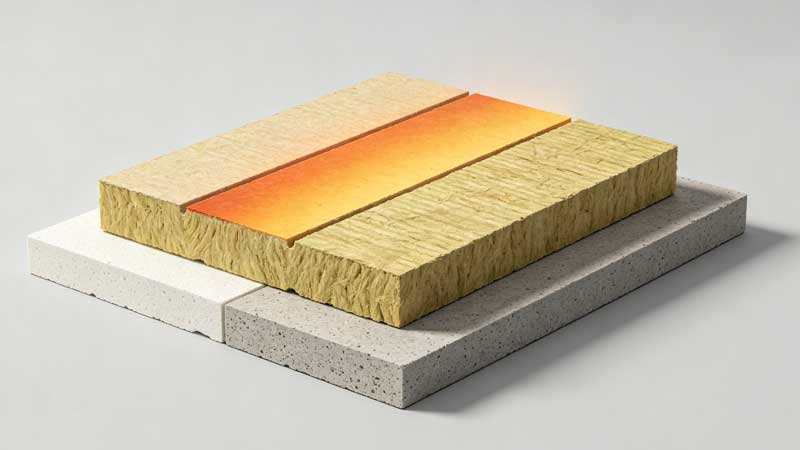
- Insulation Materials: rock wool, glass wool, XPS/EPS foam — evaluated for thermal conductivity and fire rating
- Waterproofing & Sealants: membranes, coatings, silicone sealants — checked for elongation, adhesion, and water tightness
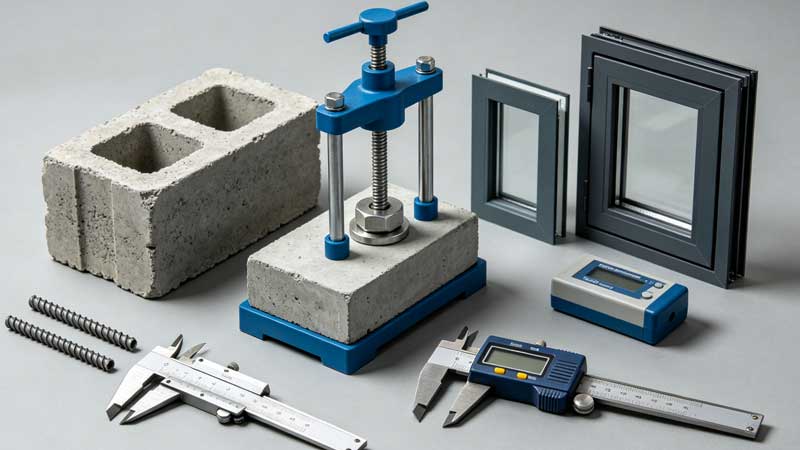
- Doors & Windows: fire-rated doors, aluminum windows — tested for wind pressure resistance, water tightness, and fire resistance
If your product is used in public buildings or high-rise projects, additional fire safety certification may be mandatory. Contact us with your product specifications for a free building material assessment.
Documents Required for Building Material Testing
To initiate building material certification testing, foreign manufacturers need to provide the following (we assist with translation and documentation):
- Product description, material composition, and intended application
- Representative samples for each product variant and thickness
- Existing EN, ASTM, or ISO test reports (for gap analysis)
- Manufacturer business license and quality management system certificate
- Application form completed by our team
- Letter of authorization for TEK China to act as testing agent
Building Material Certification Timeline & Cost
The typical GB/T testing process for building materials takes 2 to 6 weeks from sample submission to report issuance, depending on the material type and the number of test items. Fire resistance classification tests may require a slightly longer lead time.
Cost factors include the number of test parameters, sample dimensions, and whether accelerated aging tests are needed. We provide a fixed-price proposal after evaluating your product — no surprises.
📋 Get your personalized building material testing quote: Contact us with your product details and receive a detailed fee breakdown within 24 hours.