Processing Trade Filing China | Processing Trade Handbook, Bonded Materials & Verification Services 2026

Professional processing trade filing China services for manufacturers engaged in bonded import-export operations. We help you apply for processing trade handbook (加工贸易手册), register bonded materials, achieve tariff exemption on imported components, and complete verification & write-off (核销) procedures. Our services cover processing trade registration, bonded material tracking, risk bond (保证金台账) management, and GAC compliance. Optimize your supply chain – defer or exempt import duties on foreign-origin materials used for export production. Avoid penalties, customs audits, and handbook cancellation issues. Full support for all processing trade types: incoming materials processing (进料加工) and outward processing (来料加工).

📋 Apply for Processing Trade Filing

What is Processing Trade Filing? Why Do You Need It?

Processing trade filing (加工贸易备案) is a customs registration procedure that allows Chinese manufacturers to import raw materials, components, or semi-finished goods duty-free or duty-deferred, provided the finished products are exported. This is a critical mechanism for export-oriented manufacturing. Benefits include:

  • Tariff exemption/deferral – No import duty or VAT on imported materials used for export production. Significant cost savings.
  • Improved cash flow – Defer duty payment until export (or exempt entirely).
  • Competitive advantage – Lower production costs for export goods.
  • Legal compliance – Proper filing avoids customs penalties for unauthorized bonded operations.
📌 Key fact: Over 30% of China's exports involve processing trade. Without proper processing trade filing, imported materials will be subject to standard import duties (typically 5-20%), significantly increasing production costs.

Types of Processing Trade – Which One Applies to You?

Incoming Materials Processing (进料加工)

The manufacturer purchases imported materials (foreign currency payment), processes them, and exports finished products. The manufacturer owns both materials and finished goods. Most common type for foreign-invested enterprises and domestic manufacturers.

进料加工

Outward Processing (来料加工)

The foreign supplier provides materials free of charge (no currency payment). The Chinese manufacturer processes materials into finished products and exports back to the foreign supplier. The manufacturer earns processing fees.

来料加工

Processing with Imported Materials (进口加工)

Similar to incoming materials, with specific customs supervision requirements.

进口加工

Assembly Trade (装配贸易)

Components imported for assembly into finished products for export.

装配贸易

Our Processing Trade Services – Full Lifecycle Support

  • Processing Trade Handbook Application – We apply for the processing trade handbook (C手册) from local GAC (General Administration of Customs). Includes product and material BOM (Bill of Materials), consumption rates, and production cycle.
  • Bonded Material Registration – Register all imported materials under the handbook for duty-free entry. Track quantities, specifications, and HS codes.
  • Risk Bond (Margin Account) Management – For certain processing trade categories, customs may require a risk bond (保证金台账). We assist with bond calculation, deposit, and release after verification.
  • In-process Compliance & Record Keeping – We help you maintain required records: material receipts, production consumption, finished goods inventory, and scrap/waste disposal.
  • Verification & Write-off (核销) – After handbook completion, we submit final verification report to customs, reconciling imported materials, production output, and export quantities. We handle any discrepancies or shortages.
  • Handbook Extension or Cancellation – Extend handbook validity if production continues beyond original period, or cancel after full verification.
  • Processing Trade Audit Defense – If customs conducts post-clearance audit of your processing trade operations, we represent you with complete documentation and legal arguments.
  • Processing Trade Conversion to Domestic Sale – If you need to sell finished products domestically instead of exporting, we handle the supplemental duty payment and handbook adjustment.

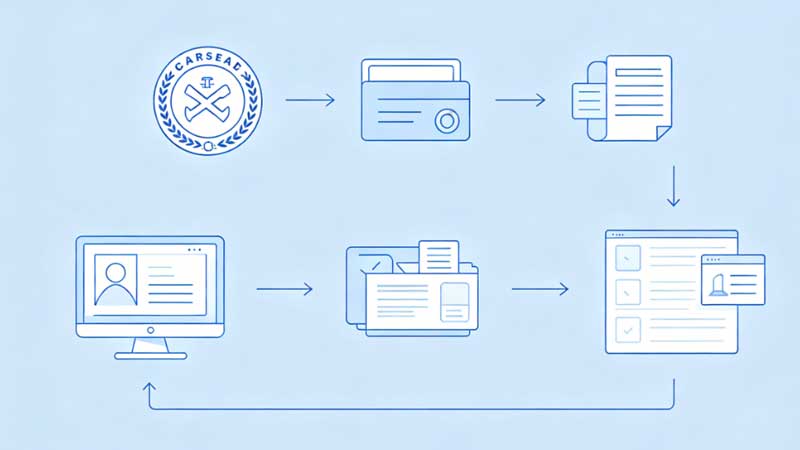
Processing Trade Handbook Application Process – Step by Step

  • Step 1 – Eligibility Assessment – We verify your company has processing trade qualification (foreign trade operator registration, customs AEO status recommended).
  • Step 2 – BOM & Consumption Rate Determination – We calculate material consumption rates based on production process, including normal waste/scrap percentages.
  • Step 3 – Handbook Application Submission – We submit application via GAC's processing trade management system, including product information, material list, consumption rates, and production cycle.
  • Step 4 – Risk Bond Assessment & Payment – Customs determines whether risk bond is required (based on company classification and product risk level). We assist with payment.
  • Step 5 – Handbook Issuance – Electronic handbook issued (C手册). Valid for 6 months to 2 years depending on production cycle.
  • Step 6 – Bonded Import Under Handbook – Import materials using handbook number – duty-free clearance.
  • Step 7 – Production & Export – Process materials, export finished products under the same handbook.
  • Step 8 – Verification & Write-off – After all exports completed, submit verification report to customs for handbook closure.
⏱️ Typical timeline: Handbook application: 5-15 business days. Verification & write-off: 10-30 business days after final export.

Required Documents for Processing Trade Filing

  • Processing Trade Handbook Application Form (provided by us).
  • Business License of the manufacturing company (Chinese entity).
  • Foreign Trade Operator Registration Certificate.
  • Import & Export Contracts (for incoming materials: purchase contracts; for outward processing: processing agreements).
  • Bill of Materials (BOM) – detailed list of all imported materials with HS codes, quantities per unit of finished product.
  • Production Process Flow Chart and consumption rate justification.
  • Waste/Scrap disposal plan (if applicable).
  • Previous handbook verification report (if renewal/extension).
  • Risk bond payment receipt (if required).
  • For AEO certification – preferred processing (lower bond requirement).

Verification & Write-off (核销) – Closing Your Processing Trade Handbook

The verification & write-off process is critical. Customs compares imported material quantities against exported finished goods to ensure materials were properly used for export production. Potential issues include:

  • Material shortages – Imported more than accounted for in exports. Must pay duties on missing materials or provide explanation.
  • Material surpluses – Less imported than allowed. May indicate inefficiency or incorrect consumption rates.
  • Unreasonable waste/scrap – Excess waste beyond approved percentages triggers duty payment.
  • Missing documents – Incomplete import/export records delay write-off.
⚠️ Critical: Failure to complete verification & write-off within the handbook validity period results in: (1) suspension of new handbook applications, (2) daily fines, (3) mandatory duty payment on all imported materials. We ensure timely and accurate write-off.

Risk Bond (保证金台账) – What You Need to Know

Customs may require a risk bond (保证金台账) for processing trade operations. The bond is calculated based on import duties and VAT of the bonded materials. Key points:

  • Who needs bond? – New processing trade enterprises, high-risk products (e.g., sensitive commodities), or companies without AEO certification.
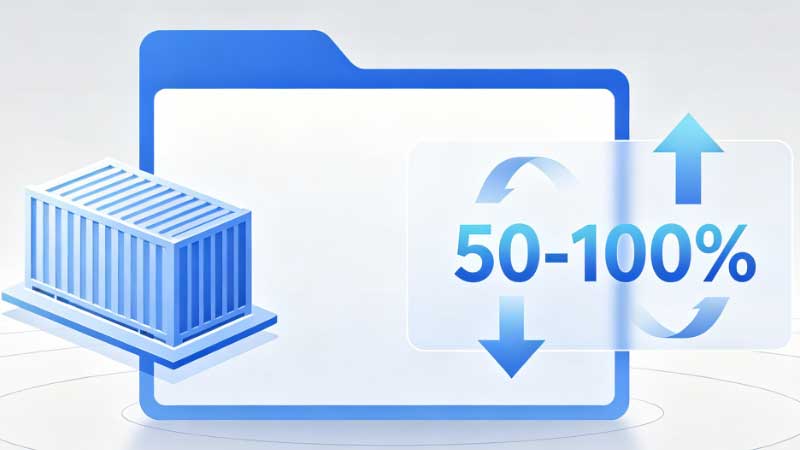
  • Bond amount – Typically 50-100% of estimated import duties + VAT on bonded materials.
  • Bond release – After successful verification & write-off, customs returns bond plus any accrued interest.
  • Reducing bond – AEO (Authorized Economic Operator) certification can reduce or eliminate bond requirement. We assist with AEO application.


Processing Trade Compliance – Avoiding Common Pitfalls

  • Pitfall #1: Unauthorized domestic sale of bonded goods – Selling finished products domestically without paying duties. Solution: Apply for domestic sale permission and pay supplemental duties.
  • Pitfall #2: Inaccurate consumption rates – Under-reporting material usage leads to material surplus at verification. Customs may demand duty payment or penalize. We help establish accurate BOM.
  • Pitfall #3: Missing waste/scrap disposal records – Process waste (scrap) must be properly disposed or exported. Failure to account results in duty liability. We track waste disposal.
  • Pitfall #4: Handbook expiration before write-off – Extend handbook validity before expiration. Late write-off triggers penalties.
  • Pitfall #5: Transferring bonded materials to third-party processors without approval – Outward processing of bonded materials requires customs approval. We handle sub-contractor registration.

Costs & Timeline for Processing Trade Services

  • New Handbook Application: 5-15 business days processing. Fixed fee plus government fees (minimal).
  • Handbook Extension: 3-7 business days. Lower fee.
  • Verification & Write-off: 10-30 business days after final export. Fee based on complexity (number of materials, BOM complexity).
  • Risk Bond Management: Fee for calculation and application. Bond amount itself is deposited with customs and fully refundable after write-off.
  • Retainer Option: Annual fee for ongoing processing trade compliance support (recommended for active processing trade operators).

Frequently Asked Questions About Processing Trade Filing China

What is the difference between incoming materials processing and outward processing?
Incoming materials processing (进料加工) – manufacturer purchases imported materials (pays foreign supplier). Outward processing (来料加工) – foreign supplier provides materials free of charge; manufacturer only provides processing service and earns processing fees. Ownership, payment flow, and customs treatment differ.
Do I need a Chinese entity to apply for processing trade filing?
Yes. Only Chinese-registered manufacturing companies with foreign trade operator status can apply for processing trade handbook. If you are a foreign company without China entity, we can work with your Chinese manufacturer to set up the handbook. Or we can help you establish a WFOE manufacturing company in China.
How long is a processing trade handbook valid?
Typically 6 months to 2 years depending on production cycle. We recommend applying for a period covering your expected production + 3 months buffer. Extensions available if needed.
Can I sell processing trade products domestically?
Yes, but you must first apply for domestic sale permission from customs and pay applicable import duties + VAT on the bonded materials used for domestically sold products. We handle this application.
What is the risk bond (保证金台账) and how much is it?
Risk bond is a deposit required by customs to secure duty payment in case of non-compliance. Amount is typically 50-100% of estimated import duties + VAT on bonded materials. For AEO-certified companies, bond may be reduced or waived. Bond is fully refundable after successful verification & write-off.
What happens if I fail to complete verification & write-off on time?
Late write-off results in: (1) customs fines (RMB 1,000-10,000+), (2) interest penalties, (3) suspension of new handbook applications, (4) potential forced duty payment on all bonded materials. We prevent this by tracking handbook deadlines and filing extensions or write-off on time.
Can I use multiple suppliers for bonded materials under one handbook?
Yes. The processing trade handbook can include multiple suppliers of the same material. Each import under the handbook must reference the same handbook number.

Latest News: Processing Trade Regulations 2026

Need Processing Trade Filing for Your Manufacturing?

Get a free consultation and fixed-price quote. We handle processing trade handbook application, bonded material registration, compliance tracking, and verification write-off. Save import duties, improve cash flow, ensure customs compliance.

📋 Apply for Processing Trade Filing

Contact Us – Processing Trade Filing China

Describe your manufacturing operation: product type, materials to be imported (quantity, value, HS codes), production cycle, estimated annual export volume, and whether you require incoming materials or outward processing. We will provide proposal and fixed-price quote.

Get In Touch

Our processing trade specialists have 15+ years experience with GAC regulations. We handle handbook application, bonded compliance, verification write-off, and audit defense. Full lifecycle support.

  • +86 130 5270 9126
  • info@tekzenvo.com
  • 5-Fa Zhan Building, No.9 Office Area, Kai Fa Qu, Dalian, Liaoning, China
  • Monday - Friday: 9:00 AM - 6:00 PM (GMT+8)
CAPTCHA security image