HS Code Classification China | Accurate Tariff Codes for Smooth Customs Clearance

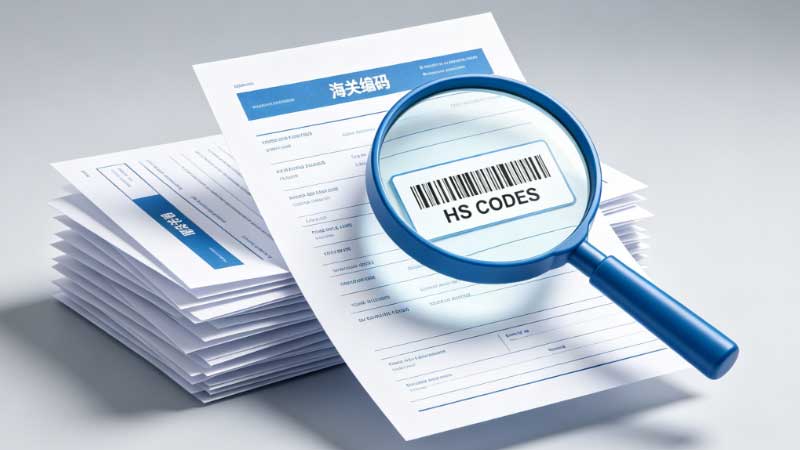
Professional HS code classification China services ensure your goods are correctly classified under the Harmonized System (HS). Correct import HS code or export commodity code determines applicable import duties, VAT rate, export tax rebate, and regulatory requirements. Our certified customs specialists provide binding tariff classification rulings, China customs classification advice, and full compliance support to avoid costly penalties, shipment delays, and customs seizures. Whether you need HS code lookup for a new product, duty rate calculation, or assistance with binding tariff information — we deliver fast, accurate goods classification solutions.

📊 Request HS Code Classification Assessment

Why Accurate HS Code Classification Matters for China Import & Export

HS code classification China is the foundation of all customs procedures. The Harmonized Commodity Description and Coding System (HS) is a 6-digit international standard, but China extends it to 10 or 13 digits (HS Code + additional tariff lines). The correct import HS code directly impacts:

  • Import duty & VAT rates – different HS codes attract different tariff rates (0% to 100%+). Even a single digit error can cost thousands in overpaid duties or trigger underpayment penalties.
  • Export tax rebate percentages – China's VAT rebate for exporters varies by HS code (0% to 17%). Correct classification maximizes your refund.
  • Import license & permit requirements – restricted goods (chemicals, medical devices, food) require specific import licenses tied to the commodity code.
  • CCC certification & other mandatory compliance – many CCC products are defined by HS code range. Misclassification may wrongly exempt or require certification.
  • Anti-dumping & countervailing duties – specific HS codes may be subject to additional AD/CVD duties.
  • Customs inspection rate & seizure risk – high-risk HS codes trigger more inspections. Wrong classification leads to fines and shipment detention.
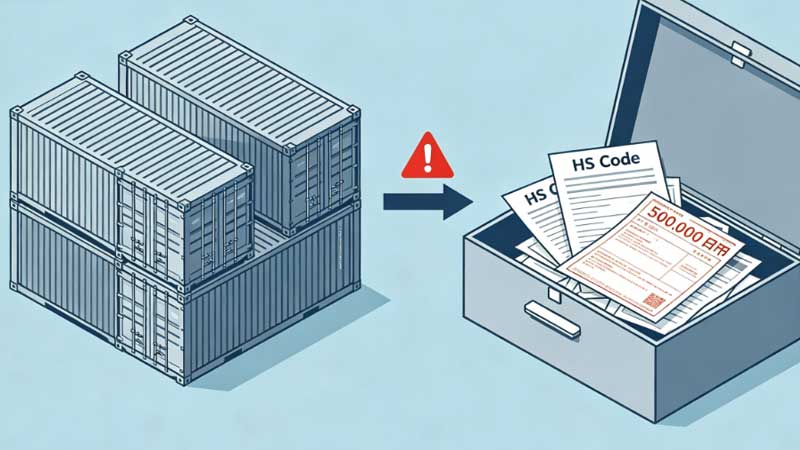
⚠️ Severe penalties for misclassification: Under China Customs Law, intentional or negligent HS code misclassification can result in fines up to 3x the evaded duties, confiscation of goods, and even criminal liability for repeat or serious violations. A professional China customs classification service is not optional — it's essential risk management.

Our HS Code Classification Services for China Customs

  • HS Code Determination & Verification – We analyze product specifications, materials, function, and intended use to assign the correct 10-digit or 13-digit China HS code. Our classification follows China Customs (GAC) tariff schedule and official classification rulings.
  • Import Duty & Tax Calculation – Based on the determined import HS code, we calculate landed cost including MFN duty, provisional duty, VAT (currently 13% for most goods), consumption tax (for luxury/sin goods), and any anti-dumping duties.
  • Binding Tariff Information (BTI) Application – For complex or high-value products, we can apply for a legally binding classification ruling from China Customs (Advance Ruling). This ruling is valid for 3 years and protects you from future reclassification penalties.
  • Export Tax Rebate Optimization – We identify the export commodity code that qualifies for the highest legal VAT rebate percentage. Many exporters lose thousands due to suboptimal classification.
  • Free Trade Agreement (FTA) Tariff Eligibility – We check whether your HS code qualifies for preferential tariff rates under RCEP, China-ASEAN FTA, China-Korea FTA, etc., and assist with certificate of origin.
  • HS Code Dispute Resolution – If customs challenges your classification, we represent you in post-clearance audits, tariff classification disputes, and administrative reviews.
  • Periodic Classification Audit – We review your existing HS codes to identify misclassifications, duty overpayments, or compliance gaps — often uncovering significant savings.

How the China HS Code System Works

China's tariff classification system follows the international HS Convention but adds national subheadings. Understanding the structure helps avoid common errors:

  • First 6 digits – International HS code (same in over 200 countries). For example, 8471.30 (portable automatic data processing machines).
  • Digits 7-8 – China-specific subheading (e.g., 84713000). Determines most tariff rates and regulatory flags.
  • Digits 9-10 – Further breakdown for statistical or supervision purposes (e.g., 8471300010).
  • Digits 11-13 – Additional compliance codes for certain product categories (chemical CAS numbers, medical device types, etc.).

The China Customs Tariff Schedule (import and export tariff book) is updated annually, usually effective January 1st. Our team tracks all changes to ensure your tariff classification remains compliant after each revision.

Common HS Code Misclassification Scenarios

Functional vs. Material Classification

Many products can be classified by either their material composition or their function. Example: a plastic kitchen utensil may be classified under plastics (39) or as household utensils (82). The correct classification is determined by General Rules of Interpretation (GRI).

Parts vs. Complete Machines

Parts may have different duty rates than the finished machine. Specific "parts" headings often have lower tariffs than "other" residual codes.

Composite Goods & Mixed Materials

Products with multiple components (e.g., electronics with plastic housing, metal parts) require determination of "essential character" under GRI 3(b).

Sets put up for retail sale

Product sets with different components (tool sets, cosmetic kits) follow special classification rules that often produce lower duty rates than individual components.

Our HS Code Classification Process: From Product Analysis to Binding Ruling

  • Step 1 – Product Information Collection – We request technical data sheets, component breakdown, function description, material composition, intended use, and any previous classification history.
  • Step 2 – Preliminary Classification & Duty Calculation – Our customs specialists analyze the product under China's Harmonized System, applying General Rules of Interpretation (GRI) 1-6. We provide a preliminary HS code classification China report within 1-3 business days.
  • Step 3 – Verification with Customs Advance Ruling (optional) – For critical or high-value shipments, we apply for a formal Advance Ruling from China Customs. This legally binding document protects your classification for 3 years. Processing time: 3-6 weeks.
  • Step 4 – Documentation & Clearance Support – We provide the correct HS code for your customs declaration, prepare supporting classification rationale, and assist your customs broker or logistics provider with smooth clearance.
  • Step 5 – Post-Clearance Monitoring & Audit Support – We monitor classification changes and notify you of any tariff updates affecting your products. If customs audits your past declarations, we defend your classification choices.

Chinese HS Code Lookup & Tariff Resources

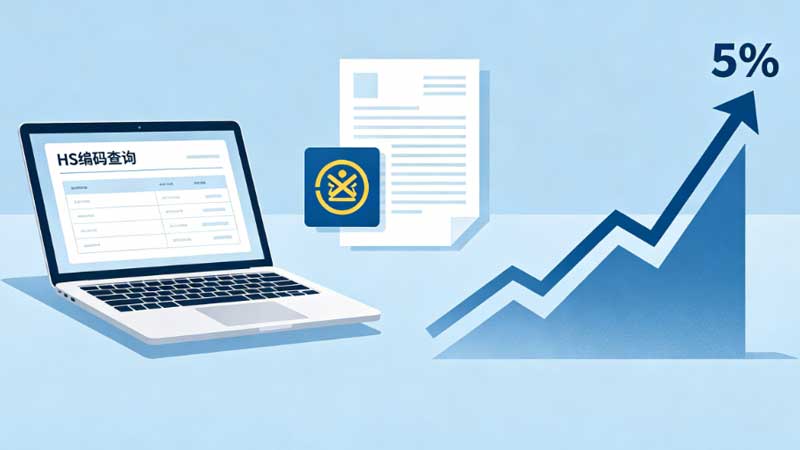
While self-service China HS code lookup tools exist, they often lack the nuance needed for correct classification. Common free resources include:

  • China Customs Tariff Query Platform (online) – official but complex interface
  • China Trade Tariff Schedule (annual publication)
  • WTO Tariff Data portal

Limitation of self-classification: Many products fall into ambiguous categories where two or more HS codes could apply. Without expert knowledge of China-specific classification rulings (GAC announcements), you may pick the wrong code. We combine legal tariff interpretation, official customs rulings database, and years of practical clearance experience.

Pricing & Turnaround for HS Code Classification

  • Standard HS code determination (1-3 days): Fixed fee per product. Includes classification report and duty/tax calculation.
  • Advance Ruling application (4-6 weeks): Higher fee including GAC filing fee and legal representation. Strongly recommended for recurring imports of complex products.
  • Periodic classification audit (bulk discount): We review your entire product portfolio, identify potential misclassifications and duty savings opportunities.
  • Dispute & audit defense: Hourly or fixed fee depending on complexity. We represent you before China Customs.
📞 Free initial consultation – Describe your product and we will provide a no-obligation quote for classification services. Many classifications are completed within 24 hours for urgent shipments.

Frequently Asked Questions: HS Code Classification China

What is the difference between HS code, HTS code, and China commodity code?
HS code (Harmonized System) is the first 6 digits, used globally. HTS (Harmonized Tariff Schedule) adds national digits. China uses a 10-digit or 13-digit tariff code. The full China commodity code determines duty rates, VAT, export rebate, and regulatory controls.
Can I change my HS code after customs declaration is filed?
Generally no, unless you file a correction before goods are released. After release, customs may audit the classification. If an error is found, you face duties underpayment plus fines. A proactive voluntary disclosure can reduce penalties.
How long is a China Customs Advance Ruling valid?
Advance Rulings (BTI) are valid for 3 years from issue date, covering all imports of the specified product during that period. The ruling is legally binding on customs, meaning they cannot reclassify the product differently.
What information do you need to classify a product?
Minimum: product name, function/intended use, material composition, technical specifications (size, weight, power, etc.), and any product photos/drawings. For machinery: operating principle, components, application industry. For chemicals: CAS number, purity, usage.
Do you handle both import and export HS code classification?
Yes. Import HS codes focus on duty calculation and import license requirements. Export HS codes determine export tax rebate rate (important for VAT refund). We handle both directions for international traders.
What is the penalty for wrong HS code in China?
Under Customs Law, misclassification causing duty underpayment: fines of 50%-300% of evaded duties. Goods may be seized. For intentional misclassification to evade licensing: criminal liability up to 10 years imprisonment. Accuracy is critical.
How often does China update its HS code tariff schedule?
The China Tariff Schedule is updated annually (effective Jan 1). There may be interim adjustments for anti-dumping measures, FTA updates, or WTO commitments. Our clients receive automatic alerts for HS code changes affecting their products.

Latest Updates: China HS Code & Tariff Changes 2026

Don't Risk Customs Penalties – Get Your HS Code Right

Request a professional HS code classification China assessment. We provide accurate tariff classification, duty calculation, and full compliance documentation. Fixed fees, fast turnaround, and binding rulings available.

📊 Get Your HS Code Classification Quote

Contact Us for HS Code Classification Services

Describe your product – we will respond with a fixed-fee proposal for classification, duty calculation, and optional Advance Ruling application.

Get In Touch

Our customs classification team includes licensed customs brokers and former GAC officers. We deliver accurate China HS code classification for importers, exporters, and freight forwarders worldwide.

  • +86 130 5270 9126
  • info@tekzenvo.com
  • 5-Fa Zhan Building, No.9 Office Area, Kai Fa Qu, Dalian, Liaoning, China
  • Monday - Friday: 9:00 AM - 6:00 PM (GMT+8)
CAPTCHA security image