
Tax Incentives for Small and Micro Foreign-Invested Enterprises Extended
May 10, 2026Reduced CIT rates for qualifying small and micro enterprises have been extended through 2027. Check if your WFOE qualifies for the lower effective rate.

Optimize your China tax strategy with professional corporate tax planning. Our team helps WFOEs and foreign-invested enterprises navigate corporate income tax, VAT optimization, withholding tax, and transfer pricing to legally minimize your overall tax exposure in China.
📋 Request Free Tax Planning ConsultationTax planning in China (税务筹划) is the strategic structuring of a foreign-invested enterprise's transactions, operations, and intercompany arrangements to legally minimize the overall effective tax rate. China's tax system imposes multiple layers of taxation on businesses — a standard corporate income tax (CIT) rate of 25%, VAT ranging from 6% to 13% depending on the industry, and a 10% withholding tax on dividends remitted to foreign parent companies. Without proper tax optimization, a WFOE may pay significantly more tax than necessary, or worse, fall into non-compliance with transfer pricing documentation requirements that trigger audits and penalties.
Our tax planning service guides foreign-invested enterprises through the entire China corporate tax optimization journey. We analyze your business model, identify applicable tax incentives, structure intercompany transactions, and ensure full compliance with SAT (State Taxation Administration) regulations. With TEK China, you can implement a tax-efficient structure that withstands scrutiny while improving your bottom line.
We identify applicable CIT incentives — including small and micro enterprise reduced rates, high-tech enterprise (HNTE) 15% rate, and R&D super deductions — to legally lower your effective corporate tax rate.
We optimize your VAT status (small-scale vs general taxpayer), input credit recovery, and cross-border service VAT treatment to minimize indirect tax leakage.
We structure dividend repatriation, royalty payments, and service fees to benefit from applicable tax treaty rates and minimize the 10% withholding tax on outbound payments.
We prepare transfer pricing documentation (local file, master file, CbCR) and benchmark studies to ensure your intercompany transactions meet arm's length standards and avoid SAT audits.
Depending on your business model, several China tax planning strategies may be available to legally reduce your tax burden:
Each tax optimization strategy must be carefully documented and compliant with Chinese anti-avoidance rules. Contact us for a free tax planning feasibility assessment.
You should consider professional tax planning in any of the following situations — waiting until tax filing season is often too late:
A typical tax planning engagement starts with a diagnostic review that takes 1 to 2 weeks, during which we analyze your current tax position, intercompany transactions, and potential optimization opportunities. Implementation of specific strategies — such as HNTE application or transfer pricing documentation — may take an additional 4 to 12 weeks depending on complexity.
Cost factors include the scope of the engagement, the number of intercompany transactions, and whether transfer pricing documentation is required. We provide a fixed-price proposal after our initial diagnostic review — no hidden costs.
Reduced CIT rates for qualifying small and micro enterprises have been extended through 2027. Check if your WFOE qualifies for the lower effective rate.
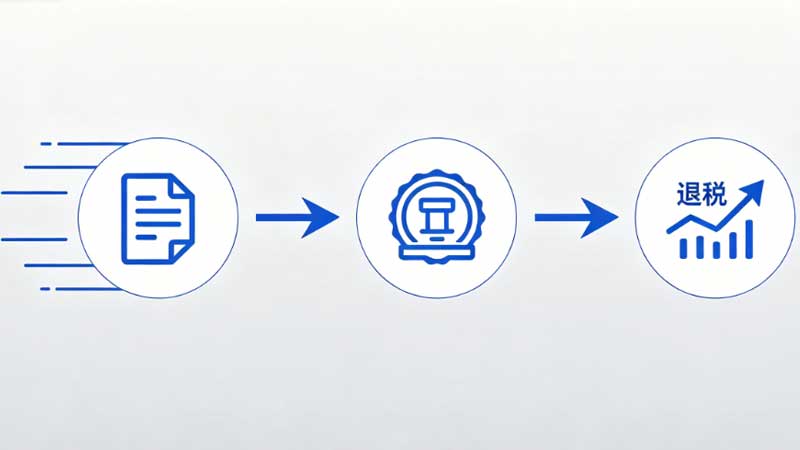
China's SAT has streamlined export VAT refund procedures for manufacturers and trading WFOEs. Learn how to optimize your cash flow with faster refunds.

SAT has increased transfer pricing audits on cross-border service fee arrangements. Ensure your intercompany documentation is compliant.
Get in touch with our team for inquiries, quotes, or more information about tax planning in China
Have questions about China tax planning, corporate income tax reduction, or transfer pricing compliance? Our experts are here to help with any inquiries about tax strategy, VAT optimization, withholding tax, or custom solutions for your WFOE or foreign-invested enterprise.